Researching why financial confidence — not knowledge — is what makes money actually work.
Devin Acar is from Montvale, New Jersey, interested in economics, financial, and financial well-being. He has published research through the Federal Reserve Bank of New York and was first author of research published in the European Journal of Economics and Finance Research, with an invitation to present at the New York State Economics Association Conference. He is also a Director at FLY to the World, engaging 5,000+ students through financial literacy initiatives. He founded InnovationsForEquality, which has deployed 700+ websites for small businesses across 31 U.S. regions, reaching millions of views.
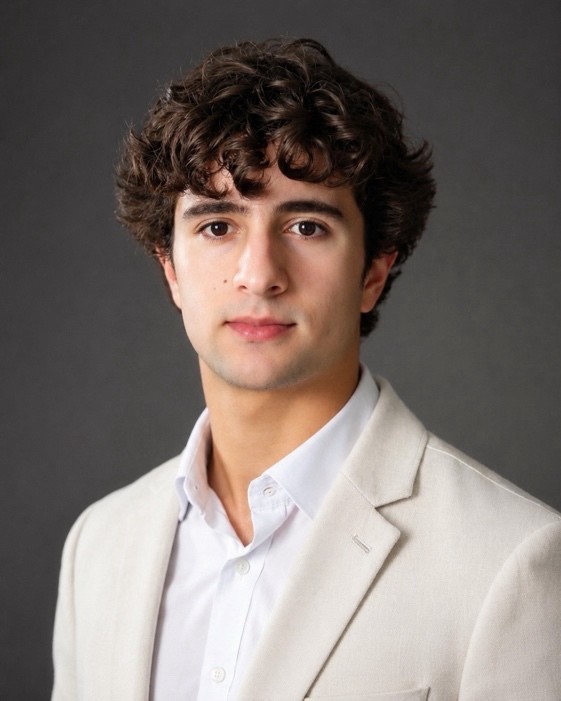
"Financial health, to me, is what exists when someone's relationship with money is actually working — proven through actions, not just knowledge. The people I've worked with who struggled almost never lacked capability. They lacked confidence, and they lacked habits that stuck."— Devin Acar, on what financial health means to them
A parent sat in on a session I ran at a middle school in Bergen County. At the end she pulled me aside and said she'd been told her whole life to save more, but nobody had ever explained why she kept spending when money got tight. I didn't have a clean answer for her that day — and it's the reason I spent 10 months on a research study instead of just accepting that financial literacy programs work. The thing that keeps happening: people already know what they're supposed to do. So the sessions that actually move something are the ones that address how someone feels about money first.
Bergen County has one of the highest median incomes in New Jersey. It also has Hackensack, Garfield, and Lodi, where the financial reality looks nothing like the county average. A student from Montvale and one from Hackensack can go to school five miles apart and have completely different relationships with money by 18. Access to financial socialization runs through family networks — if your family doesn't have it, nobody hands it to you.
I'm building a financial literacy platform around simulation — not quizzes, not pamphlets. You get put inside a scenario: a layoff, a medical bill that wipes your savings, a rent increase you didn't see coming. You make decisions and see what happens, then you go again. The goal is to build financial attitude and behavior before the stakes are real, because those are the two things my research found actually predict financial well-being. As an ambassador I'd pilot this directly with college students and youth — especially first-generation students making financial decisions for the first time without a support system behind them.
Become part of a global network of young leaders championing financial health as a fundamental right.